
By LAUNCH UK & IRELAND on Sep 23, 2026, 12:00:01 PM
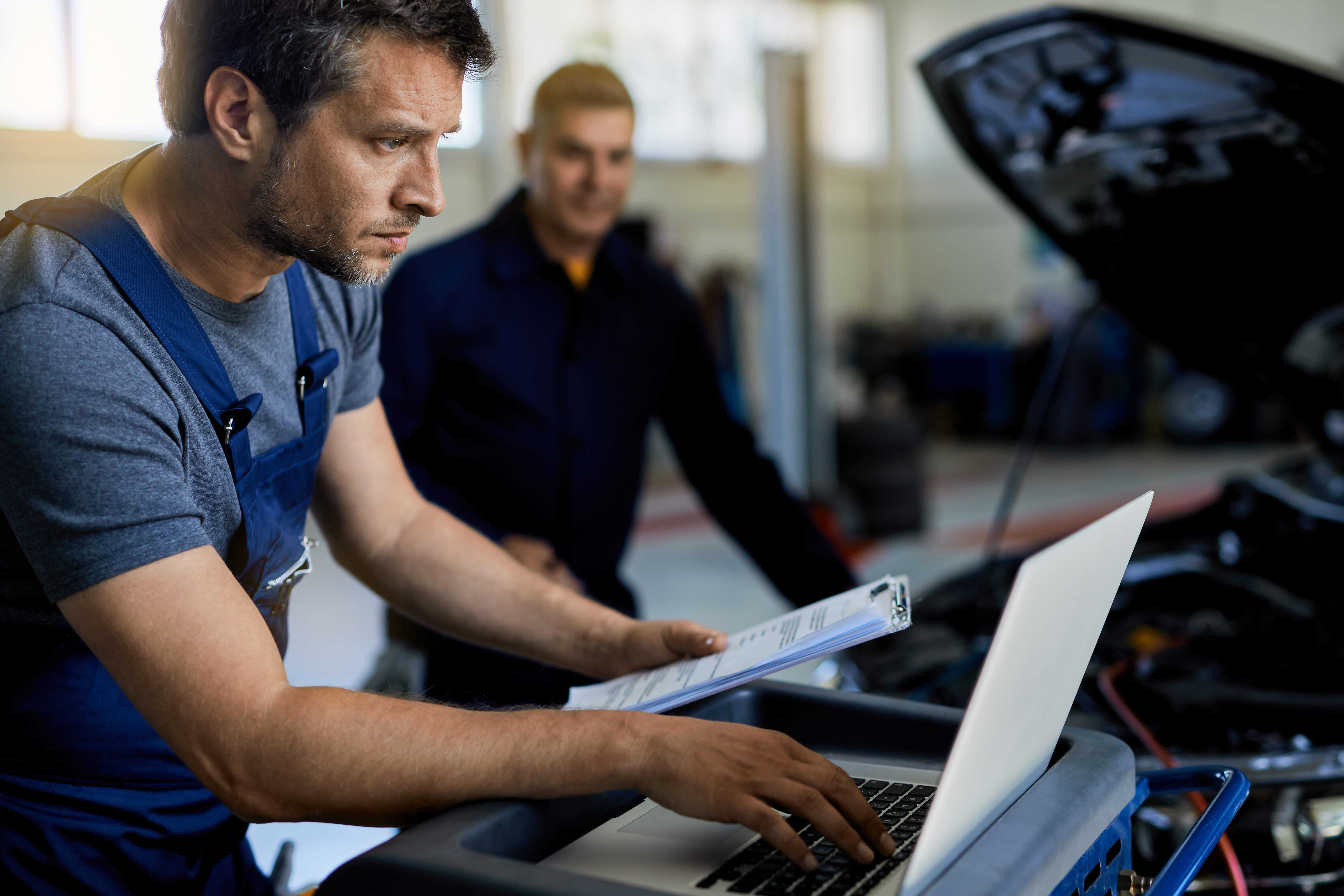
The Short Answer: More Than Fault Codes
If a customer asks what a car diagnostic machine can actually tell you, the short answer is: far more than whether the engine management light is on. In a modern workshop, a professional scan tool gives us a working picture of how the vehicle’s systems are talking to each other, where a fault started, how often it happened, and what the car was doing when it happened. That changes diagnostics from guesswork into evidence-led repair. That matters because the average vehicle now relies on multiple control modules, sensors, communication networks and software-driven functions. A basic code reader may tell you that a warning light exists, but a professional diagnostic machine can help us go much further. It can show stored and pending fault codes, live sensor values, freeze-frame conditions, module status, service data and, on many vehicles, guided steps that help us move from symptom to root cause faster.
Fault Codes Give The Direction, Not The Full Diagnosis
The starting point is usually diagnostic trouble codes, or DTCs. These codes tell us which area of the vehicle has reported a fault. Powertrain, body, chassis and network faults all point the technician in a different direction. That is useful, but it is only the beginning. A code does not automatically mean a single part has failed. It tells us where to investigate. That is exactly why a professional car diagnostic machine is valuable: it gives context around the code rather than leaving us to guess. A better diagnostic machine for cars also tells us whether the issue is current, historic or intermittent. Freeze-frame data adds another layer by recording the conditions present when the code was set, such as engine speed, load, coolant temperature or fuel trim. When a customer says the fault only appears on cold start or under acceleration, that snapshot helps us prove whether the system behaviour matches the complaint. It also helps us explain the job clearly, because we can show what the vehicle reported rather than relying on vague descriptions.
Live Data Shows What The Vehicle Is Doing Right Now
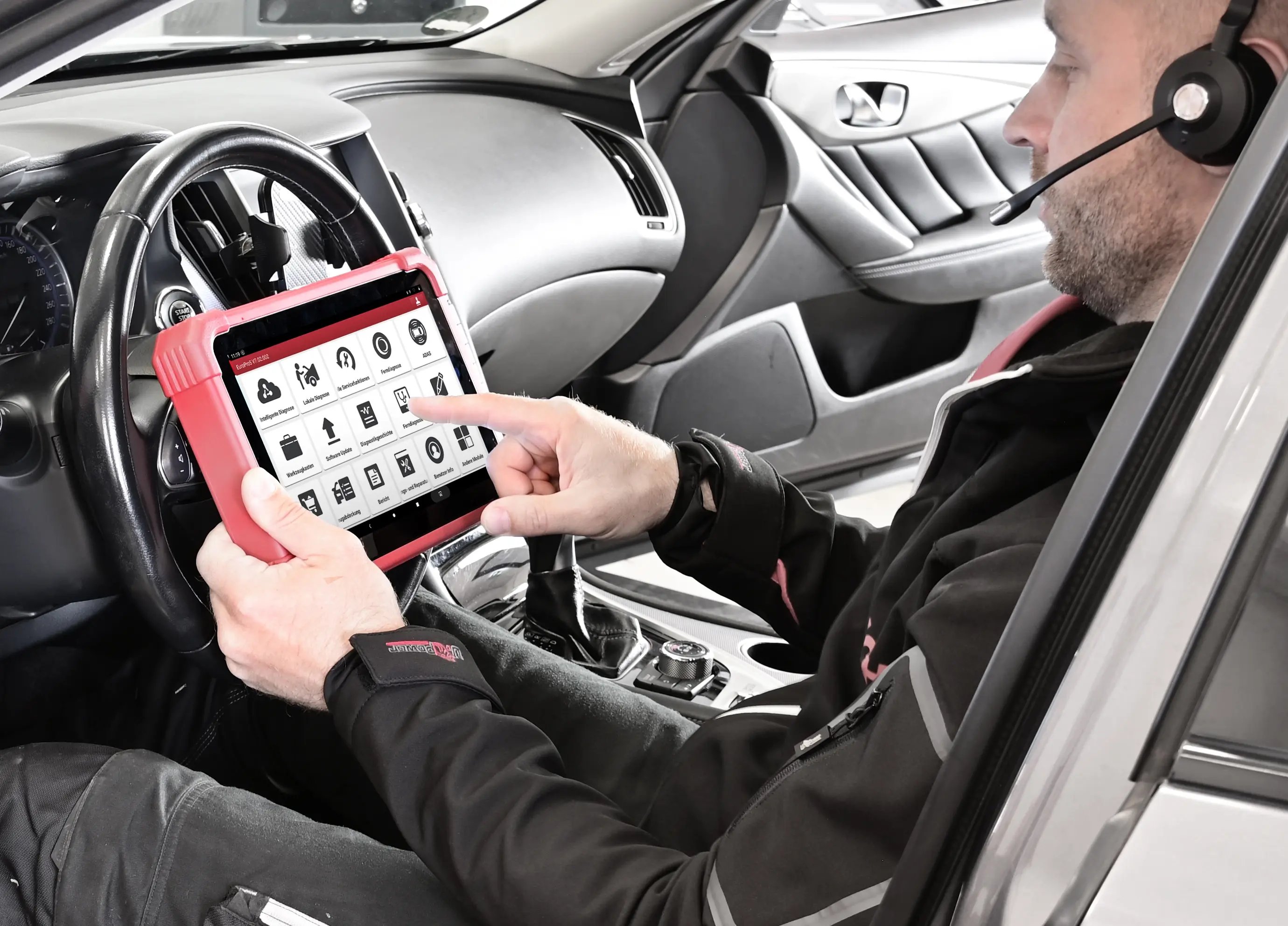
Live data is where a car diagnostic test machine becomes even more useful. Instead of only showing stored faults, it lets us watch sensor readings and system reactions in real time. We can assess oxygen sensors, battery voltage, throttle position, rail pressure, temperature values, steering angle, wheel-speed signals and far more while the vehicle is running. That helps us catch issues that may never log a hard fault code, including drifting sensors, slow responses and values that stay within range but still behave abnormally under load.
System Health And Communication Matter Just As Much
On a professional platform, we can also see the health of individual modules and networks. That includes whether a control unit is communicating correctly, whether a module is offline, and whether a vehicle has deeper CAN, Do IP or gateway-related issues affecting diagnosis. On newer vehicles, this matters more than ever. Many repair delays do not come from a failed part alone. They come from missing communication, restricted access or an incomplete view of the system. Better diagnostic access means fewer dead ends.
Service Functions Help Finish The Job Properly
Service functions are another major part of the story. A workshop-grade car diagnostic machine does not just read information; it can often carry out resets, calibrations, adaptations and maintenance procedures that complete the repair properly. That may include oil reset, EPB functions, battery registration, DPF routines, SAS calibration, injector coding or other brand-specific service steps. From a workshop point of view, that matters because identifying the fault is only half the job. We also need the tool to support the repair and verify the result.
Usability And Reporting Improve Workshop Decisions
This is also where usability affects productivity. Features like VIN recognition, guided diagnostics, clear DTC descriptions and report generation all make the output more practical. When a tool identifies the vehicle quickly, translates fault information clearly and helps us test relevant components step by step, we spend less time navigating menus and more time solving the problem. That improves first-time fix rates and gives advisors something tangible to show customers when approvals are needed. Clearer reporting is often overlooked, but it can make a real difference at the service desk. A professional diagnostic machine can help us print or share reports showing fault codes, module data and test results. That supports better customer communication because we can explain what the vehicle has told us, what we have confirmed, and why the recommended repair is justified. It is much easier to win approval for a repair when the evidence is structured and easy to understand.
At-A-Glance: What A Diagnostic Machine Can Reveal
|
Diagnostic output |
What it tells us |
Why it matters in the workshop |
|
Fault codes |
Which system has detected a problem |
Speeds up first-stage fault direction |
|
Freeze-frame data |
Conditions present when the fault logged |
Helps match faults to real customer symptoms |
|
Live data |
Real-time sensor and system values |
Supports deeper testing and catches intermittent issues |
|
Module status |
Which control units are online, offline or restricted |
Improves network and communication diagnosis |
|
Service functions |
Reset, calibration and adaptation capability |
Helps complete repairs correctly and verify results |
|
Reports |
Structured evidence of findings and test results |
Improves customer communication and repair approval |
Final Takeaway
So what can a car diagnostic machine tell you about a vehicle? It can tell you what systems are complaining, what the sensors are seeing, what conditions triggered the problem, whether modules are communicating correctly, what service steps are required next and whether the repair has actually worked. For workshops, that means faster fault-finding, more accurate repairs and fewer unnecessary parts swaps. If you want a useful next step for technicians, point them to our DTC code library and our professional diagnostics range so they can turn raw data into confident workshop decisions.
If you want to diagnose faster, explain faults more clearly and keep more work in-house, explore our professional diagnostics range and DTC code resources to see how a workshop-grade platform can support every stage of the repair process.
Image Source: Magnific