By LAUNCH UK & IRELAND on Aug 6, 2026, 11:00:00 AM
When a vehicle throws up a fault code like P0300 or P0420, it can look like a random mix of letters and numbers. It is not. Diagnostic Trouble Codes, or DTCs, follow a recognised structure designed to point technicians towards the system affected and the area needing investigation. That matters because accurate diagnosis starts with understanding what the code is trying to tell you. In a workshop, that knowledge saves time, reduces guesswork and helps lead to a more confident repair.
How Fault Codes Are Structured
A standard OBD-II fault code contains five characters, and each character has a specific job. The first character is a letter identifying the vehicle area involved. The second character tells you whether the code is generic or manufacturer-specific. The third character identifies the sub-system, and the final two digits indicate the exact fault recorded by the vehicle. Once you understand that structure, a warning light becomes more than a warning; it becomes the first step in a logical diagnostic process.
What Does The P Stand For?
The first letter is where the code starts to make sense. P stands for Powertrain, covering the engine, transmission, fuel and ignition systems. B stands for Body, including systems such as airbags, climate control and door functions. C means Chassis, which can include braking, steering and suspension. U refers to Network or communication faults, where electronic modules are not talking to each other correctly. So if a code begins with P, you immediately know the fault is linked to one of the vehicle’s core driveline or engine-related systems.
Quick Code Breakdown Table
|
1st character |
Vehicle area: P, B, C or U |
|
2nd character |
Generic or manufacturer-specific |
|
3rd character |
Sub-system involved |
|
4th and 5th characters |
Exact fault recorded |
|
Example |
P0301 = powertrain, generic, misfire group, cylinder 1 misfire |
What Do The Numbers Mean?
The first number after the letter tells you what type of code you are dealing with. In most cases, 0 means a generic code used across manufacturers, while 1 means a manufacturer-specific code created for a particular brand or platform. That means P0 codes are usually widely recognised, while P1 codes may need model-specific interpretation. The next digit narrows things down even further by identifying the sub-system involved, such as fuel and air metering, injector circuits, ignition and misfire, emissions control, idle control, computer outputs or transmission functions. The final two digits identify the exact fault itself.
A Quick Real-World Example
Take P0301 as an example. The P tells you it is a powertrain issue. The 0 shows it is a generic code. The 3 points to an ignition or misfire-related group. The 01 identifies the specific problem, in this case, a misfire on cylinder one. The same logic applies across thousands of codes. P0300 indicates an engine misfire detected, P0420 points to catalyst system efficiency issues, and P0500 relates to a vehicle speed sensor circuit fault. The structure gives technicians direction quickly, which is exactly why it is so valuable in diagnostic work.
A Fault Code Is The Start, Not The Finish
This is the key point many people miss. A fault code tells you where the issue has been detected, but it does not automatically confirm which component should be replaced. A misfire code does not always mean the ignition coil is faulty. A catalyst efficiency code does not automatically mean the catalytic converter is the root cause. Proper diagnosis still depends on confirming the fault with live data, system checks and a logical repair process. The code is a clue, not the conclusion.
How LAUNCH Tools Help
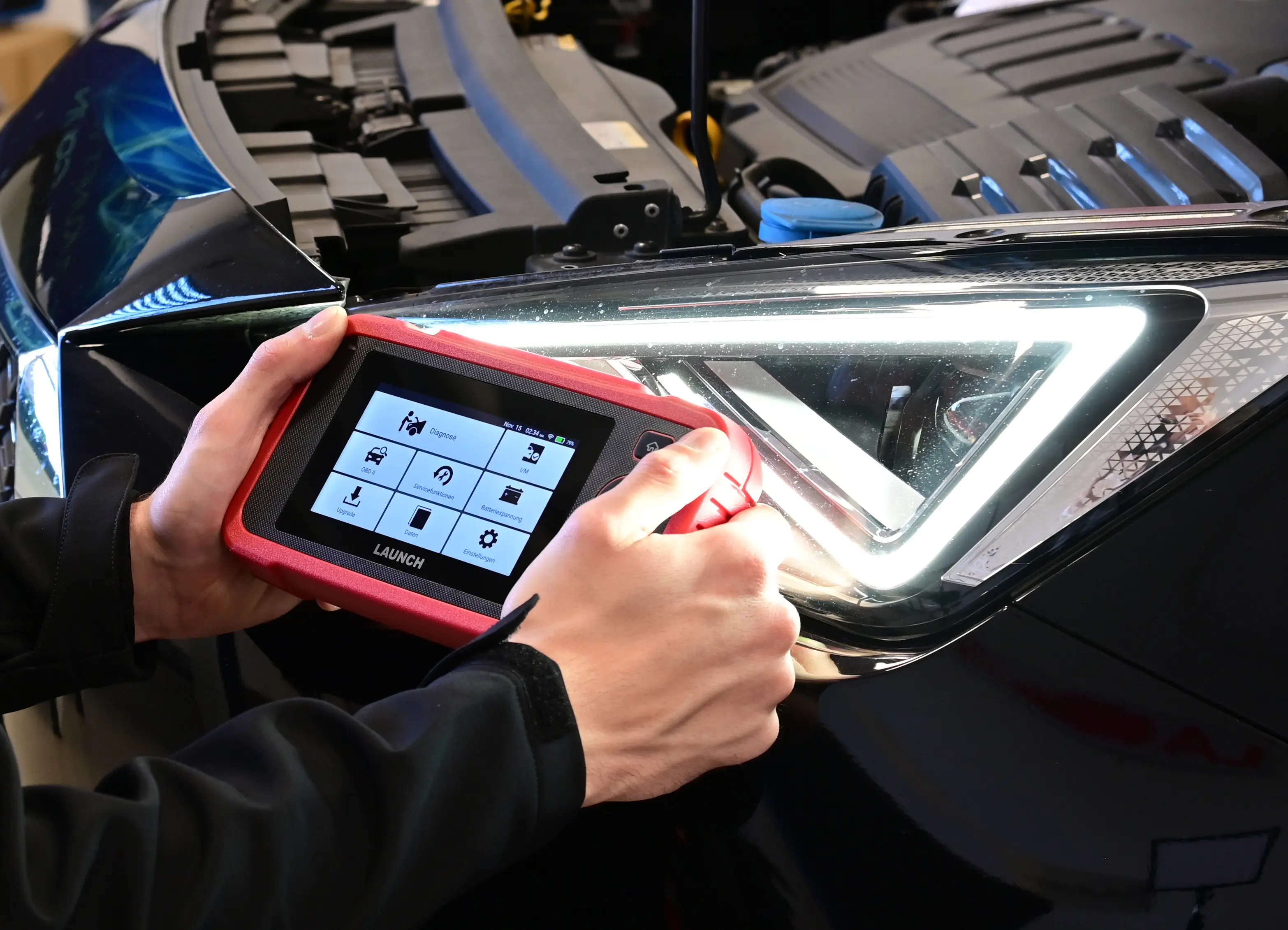
This is where the right diagnostic tool makes all the difference. For users who want a practical starting point, the Creader Professional 129 EVO+ offers full OBD functions and coverage of four key systems: engine, automatic transmission, ABS and SRS. That makes it a strong option for serious vehicle owners, smaller workshops and technicians who want more than a basic code reader.
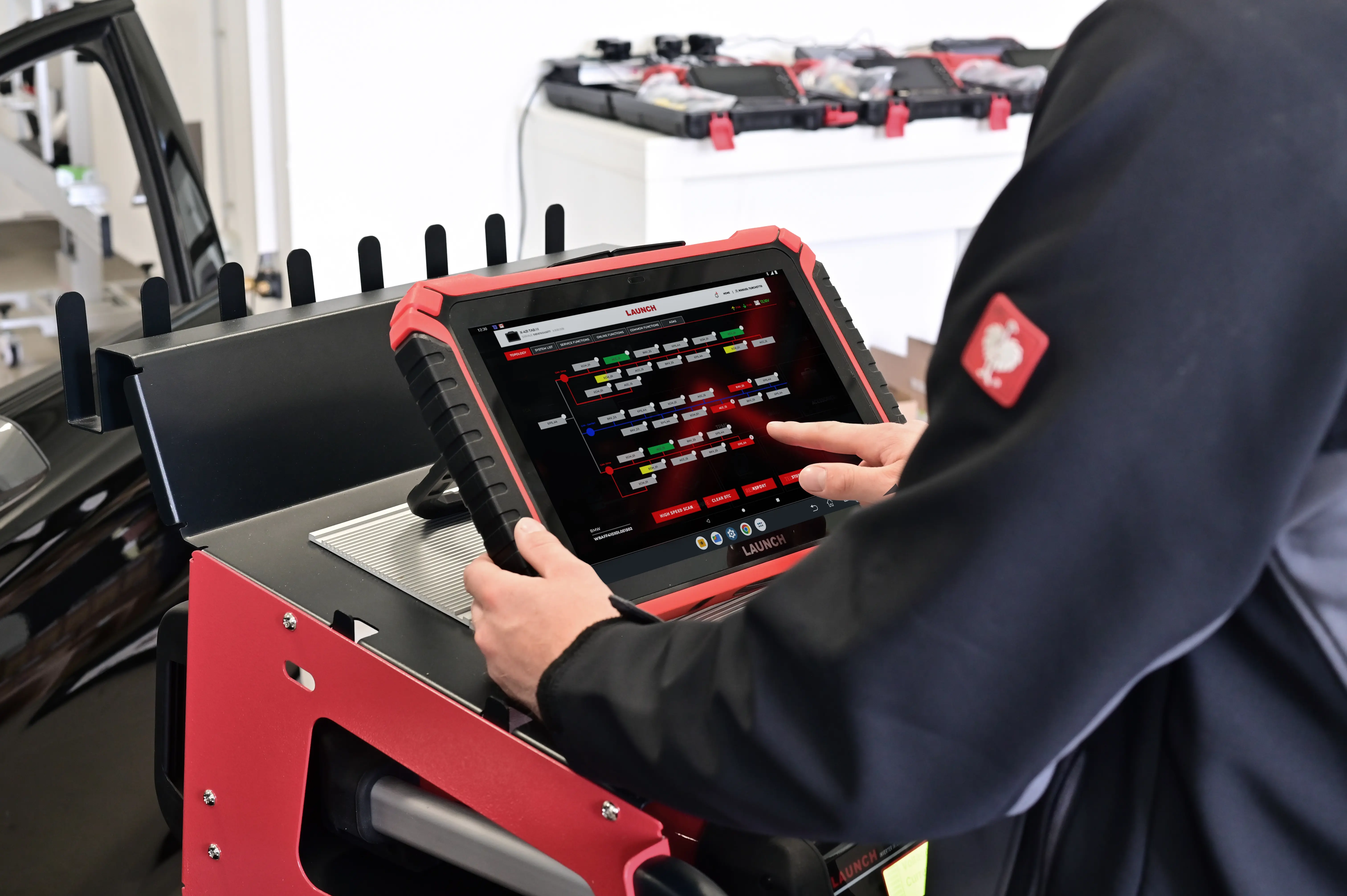
For workshops needing deeper capability, the X-431 range is built for full system diagnostics, including fault code reading and clearing, advanced service functions, coding capabilities and guided diagnostics. The X-431 EURO LINK adds live data, ECU status and control module information, helping technicians move beyond simply reading a code and into confirming the real cause. At the top end, the X431 EURO clearly displays DTCs with full descriptions and can guide the user from reading the code through step-by-step testing of relevant components. That is the difference between seeing a code and solving a fault efficiently.
Use The DTC Code Library To Check Codes Faster
Alongside the tools themselves, the LAUNCH UK & IRELAND DTC code library gives users a quick way to check what a code means and where it sits within the wider diagnostic picture. For anyone faced with an unfamiliar code, it is a useful first reference point and a strong supporting resource for workshops and customers alike.
Final Takeaway
Fault codes are not random at all. Once you understand the structure, you can read them with confidence, explain them more clearly to customers and move into diagnosis with a stronger starting point. If you want to turn fault code information into faster, more accurate repairs, combining the right knowledge with the right LAUNCH diagnostic tool is the smart way forward.
Need to identify, interpret and act on fault codes faster? Explore the LAUNCH diagnostic range and DTC code library to move from warning light to confident repair with less guesswork.

%20not%20web%20p/banner-diagnostics-lg-3840-x-1260.jpg)
Are Car Code Readers Worth It or Should You Invest In Full Diagnostic Tools?
Are Car Code Readers Enough for Modern Workshop Diagnostics?