By LAUNCH UK & IRELAND on Oct 1, 2026, 11:00:01 AM

That difference matters because TPMS jobs often become delayed when the tool in hand can only tell us that a fault exists. If we still need separate steps, extra guesswork or another device to complete the programming and relearn side of the job, the workflow slows down immediately. A better TPMS programming tool keeps the process moving from diagnosis into repair and then into final verification.
Activation is one of the most practical functions
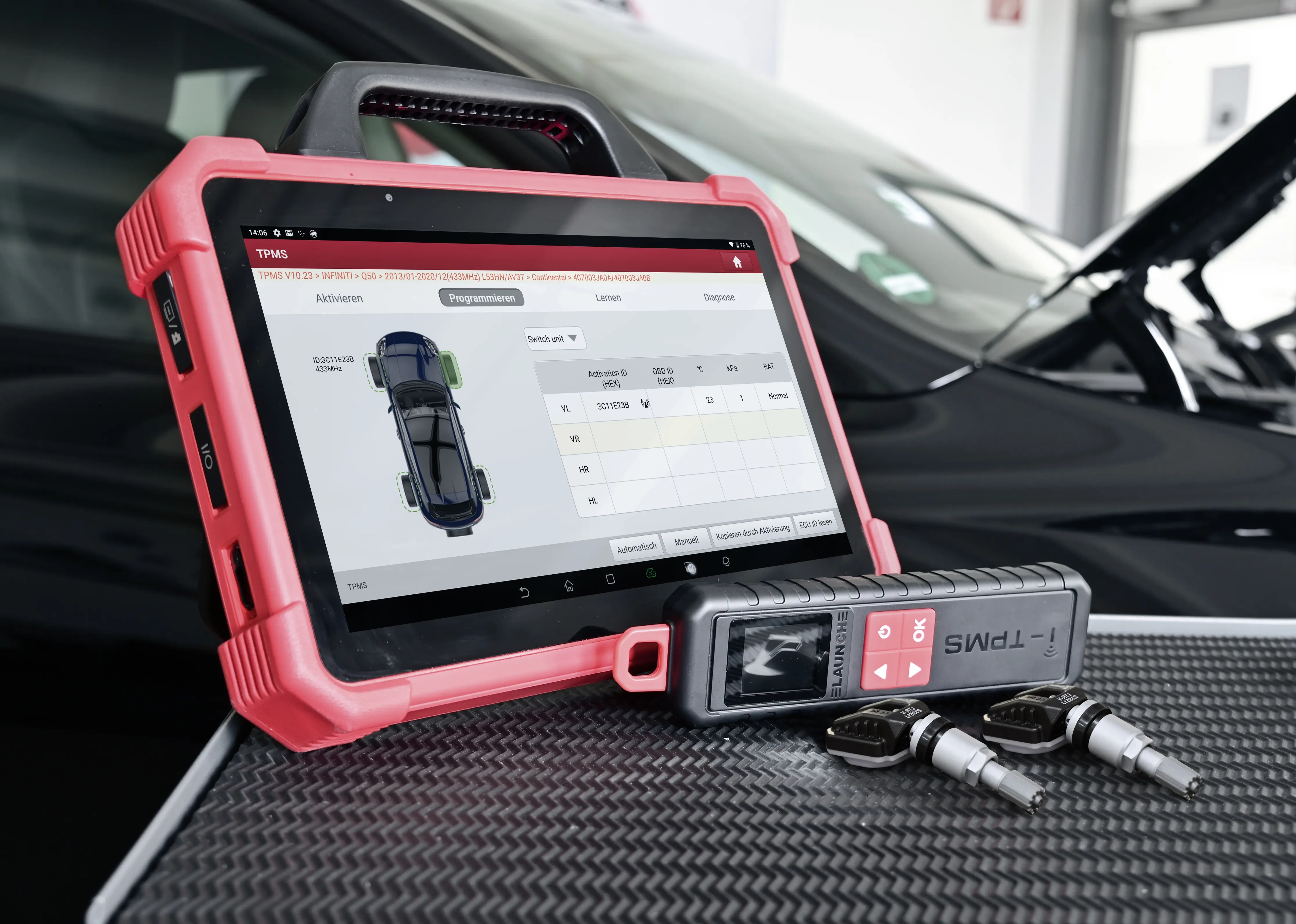
One of the most useful things a TPMS sensor tool can do beyond fault reading is sensor activation. That sounds basic, but it is where many jobs either move forward quickly or start wasting time. With the i-TPMS, we can trigger the sensor and pull back the information that actually matters, including sensor ID, tyre pressure, temperature and battery status. That means we are no longer working from a dashboard symbol alone. We are working from actual sensor output.
This is especially useful on intermittent TPMS complaints, seasonal wheel swaps and pre-replacement checks. Before fitting anything new, we can confirm whether the original sensor is still transmitting, whether battery condition looks weak and whether the issue is likely to be a dead sensor, an ID mismatch or a relearn problem. In other words, activation helps stop unnecessary parts replacement.
Programming and cloning are what turn a check into a repair
Programming is the next big step. A strong TPMS tool should not stop at reading the old sensor. It should help us prepare the replacement as well. The LAUNCH i-TPMS can programme and clone sensors, which is where the tool becomes commercially valuable in day-to-day workshop use. If we can copy or create the right sensor data quickly, the repair becomes much more straightforward.
Cloning matters because it can reduce disruption after replacement. Instead of introducing a fresh sensor identity and then building extra steps around that change, cloning can let us match the original sensor information where the vehicle strategy allows it. That helps keep the job cleaner and can shorten the route to a successful handover. For tyre specialists and general workshops alike, that is a genuine workflow advantage.
Relearn procedures are where the job is actually completed
Relearn is another function that proves a TPMS tool is about much more than fault reading. A warning light is not really fixed until the vehicle recognises the correct sensor information and the system is communicating properly again. That is why relearn matters so much. The i-TPMS platform supports relearn alongside activation, programming and cloning, which means we can carry the job through to the stage that actually clears the customer concern.
In practice, this matters for replacement sensors, seasonal wheel changes and vehicles that lose pairing after repair work. A tool that supports relearn properly saves time, reduces repeat visits and gives the technician a more reliable finish to the job. It also makes it easier to explain to the customer why fitting a sensor is not the same thing as completing the TPMS repair.
At-a-glance: what the tool does beyond fault reading
|
Function |
What it helps us do |
Why it matters in the workshop |
|
Sensor activation |
Wake up the sensor and retrieve live information |
Confirms whether the sensor is transmitting before replacement |
|
Live sensor data |
View pressure, temperature, battery status and ID |
Improves diagnosis and customer explanation |
|
Programming |
Prepare replacement sensors correctly |
Speeds up repair workflow |
|
Cloning |
Match original sensor information where appropriate |
Reduces disruption after sensor replacement |
|
Relearn |
Pair the repaired or replaced sensor back to the vehicle |
Completes the job and helps avoid return visits |
Why the wider Launch workflow matters as well
The LAUNCH i-TPMS does not sit in isolation. Its Bluetooth integration with compatible LAUNCH X-431 diagnostic systems makes it part of a wider workshop workflow. That matters because TPMS work is often linked to broader diagnostic checks, service routines and customer reporting. When the TPMS tool works cleanly with the main diagnostic platform, the whole process becomes more efficient.
The i-TPMS solution supports more complete workshop handling, from sensor checks to relearn, with broad coverage across more than 98% of TPMS-equipped vehicles and compatibility with wider Launch diagnostics.
Final takeaway
So what can a TPMS tool do beyond reading sensor faults? A good one can activate sensors, read live values, check battery condition, programme replacements, clone IDs and carry out relearn procedures that finish the job properly. That is why the conversation should not stay at fault reading alone. A workshop-focused product like the LAUNCH i-TPMS is valuable because it turns TPMS work into a complete service process rather than a partial diagnosis. For workshops that want faster TPMS jobs, fewer repeat visits and a more professional handover, those extra functions are exactly what matter.
If you want to handle TPMS work more efficiently, from sensor checks through to programming and relearn, explore the LAUNCH i-TPMS and how it fits alongside our X-431 diagnostic range for a more complete workshop workflow.

Do You Have to Program TPMS Sensors? What Garages Need to Know
How to Reprogram TPMS Sensors: A Practical Guide for Workshops