By LAUNCH UK & IRELAND on Aug 28, 2026, 11:00:00 AM
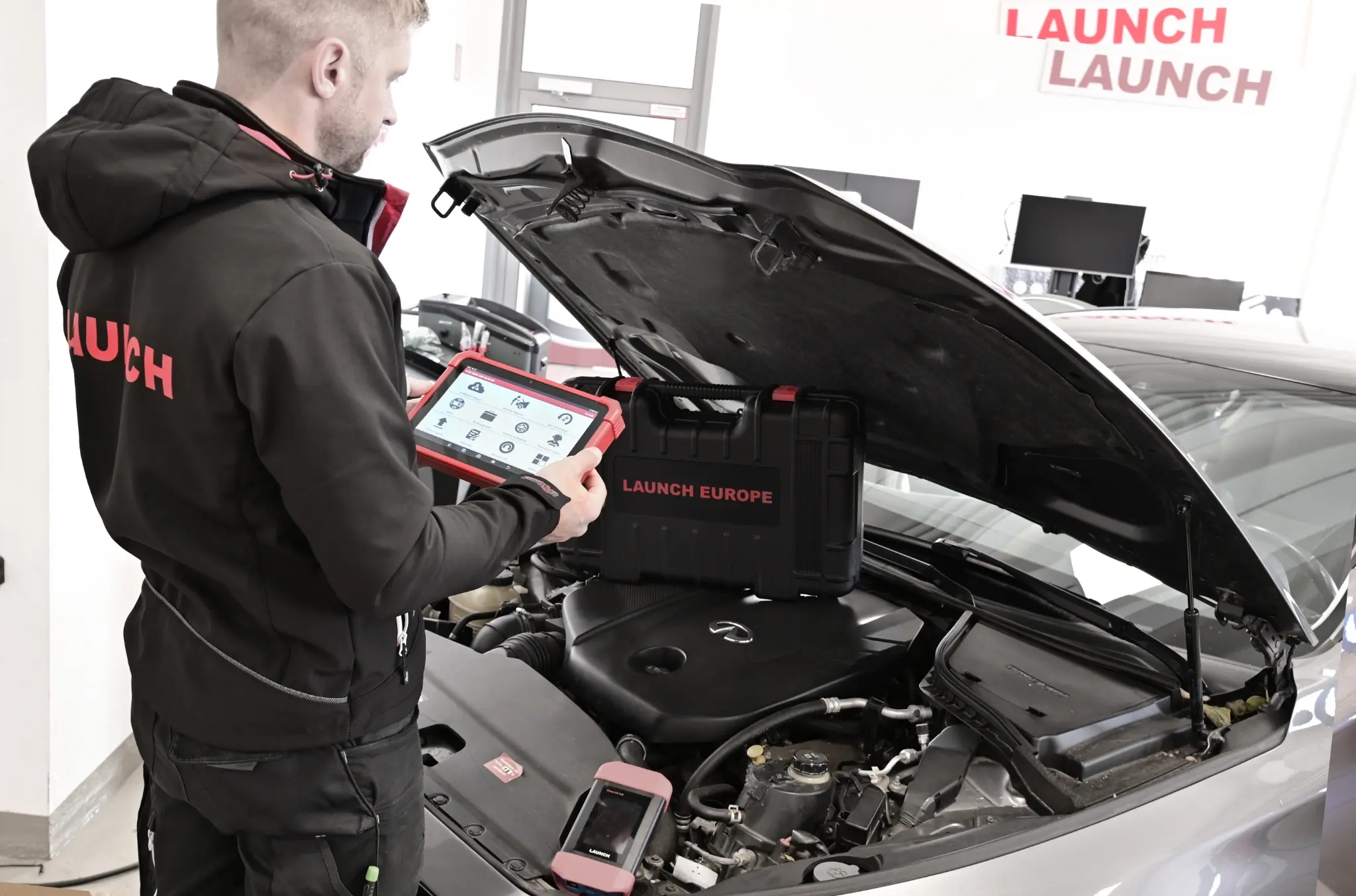
Modern vehicles are no longer just mechanical systems with electronic add-ons. They are secure, connected platforms with multiple control units communicating across the vehicle. As those systems have become more advanced, manufacturers have introduced Security Gateways, often shortened to SGW, to protect sensitive vehicle functions from unauthorised access. For workshops, that has changed diagnostics in a very real way. Jobs that once felt routine can now be restricted unless the technician has the correct authorised route into the system.
So What Is A Security Gateway (SGW)?
The simplest way to think about a Security Gateway is as a protective digital gatekeeper between the vehicle and certain diagnostic actions. They can easily be described as a defensive mechanism that limits access to some functions, with access available only through registered and authenticated services. Manufacturers now protect critical vehicle systems behind Security Gateways, meaning even professional diagnostic tools can be restricted from carrying out key tasks unless proper authorisation is in place. In effect, a workshop may still be able to read faults and view data, but not necessarily act on that information without the right access route.
What Does That Mean In Day-to-day Workshop Life?
It means diagnostics is no longer only about having a capable scan tool. It is also about whether that tool can gain legitimate access to protected systems when the job demands it. Without authorised SGW access, workshops can hit limits on advanced fault code clearing, service resets, actuator tests, coding, adaptations and bi-directional controls. In short, without SGW automotive access, you may be limited to reading codes only. That is a major issue for independent workshops because reading a fault is only one part of solving it. The value comes from being able to complete the repair path efficiently, not stopping halfway through the process. In a commercial setting, delays like that affect productivity, workshop flow and ultimately customer confidence.
At A Glance: What SGW Changes For A Workshop
|
Before SGW protection |
Many functions felt routine once a scan tool was connected |
|
With SGW protection |
Certain functions require registered and authenticated access |
|
Without authorised access |
Workshops may be limited to reading code only |
|
With LAUNCH SGW support |
The user gains authorised access through the existing LAUNCH platform |
Why Workshops Need To Take SGW Seriously
Security Gateways exist for good reason. They help protect vehicles from unauthorised ECU access and broader cyber risk, but from a workshop perspective, they also introduce practical barriers if the right credentials are not in place. That can affect turnaround time, technician confidence and customer trust. Nothing sounds less professional than having to tell a customer that a function cannot be completed due to security restrictions. As vehicles become more software-driven and more brands adopt gateway protection, SGW automotive access is moving from a useful extra to a core part of modern workshop capability.
How The Launch SGW Package Helps The End User Gain Access
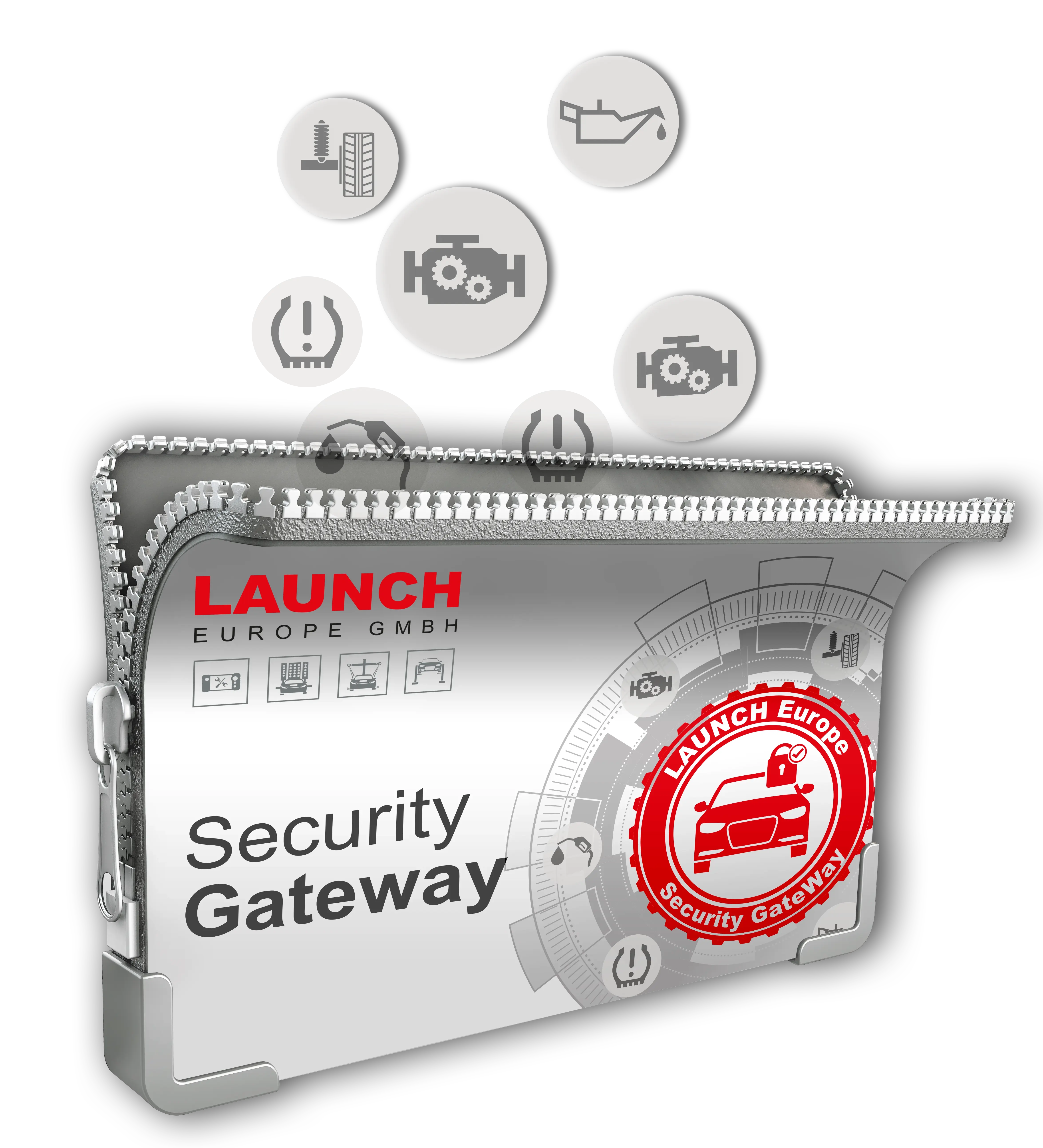
This is exactly where the LAUNCH Security Gateway Multipack is positioned. The package provides authorised access to multiple OEM security gateways through your existing LAUNCH UK & IRELAND diagnostic device. Instead of being locked out of advanced functions, the end user gains legitimate, manufacturer-approved access to protected vehicle systems through the LAUNCH platform they already use.
In practical terms, that means workshops can move beyond basic reading and regain access to functions such as DPF regenerations, steering angle resets, battery registrations, module coding, ADAS calibrations, where applicable, and system relearns. The aim is not to bypass security, but to work within it properly and professionally.
What That Means Commercially For A Workshop
For a workshop owner or technician, the commercial value is straightforward and easy to measure in day-to-day operations. Authorised SGW access supports full-service capability, protects credibility and helps avoid wasted time switching between platforms or turning work away. We position the Multipack as a way to deliver full system diagnostics, compliance with OEM security standards, seamless workflow without interruption and future-ready workshop capability. It also helps simplify multi-brand access compared with buying separate routes across individual manufacturers. That means better value, more centralised management and less downtime in the bay.
Why The Wider LAUNCH Platform Matters As Well
The SGW automotive package becomes even stronger when viewed as part of the wider LAUNCH ecosystem. The X-431 EURO range is already positioned around full system diagnostics, advanced coding capability, guided diagnostics and Secure Gateway access for major brands including FCA, Mercedes and Renault. LAUNCH also highlights remote services, software-led functionality and professional package options that include Security Gateway access as part of a broader workshop-ready solution. For the end user, that matters because SGW access is most valuable when it is integrated into a platform built to diagnose, code, guide and support modern repair workflows from start to finish.
Final Takeaway
Security Gateways are not a passing trend. They are now part of the reality of working on modern vehicles. For workshops, that means the question is no longer whether SGW automotive matters, but whether your setup is ready for it. If you want to keep access to profitable diagnostic and service functions, protect customer confidence and keep work moving efficiently, authorised access is essential. The LAUNCH SGW package is designed to give end users access through a legitimate, workshop-friendly route, helping turn a restricted tool back into a complete diagnostic solution that is far better suited to modern protected vehicle architecture.
If your workshop is already investing in advanced diagnostics, make sure it can reach the functions modern vehicles now protect. The LAUNCH SGW package helps turn restricted access into authorised capability. Contact our team for expert advice and guidance around SGW automotive access.
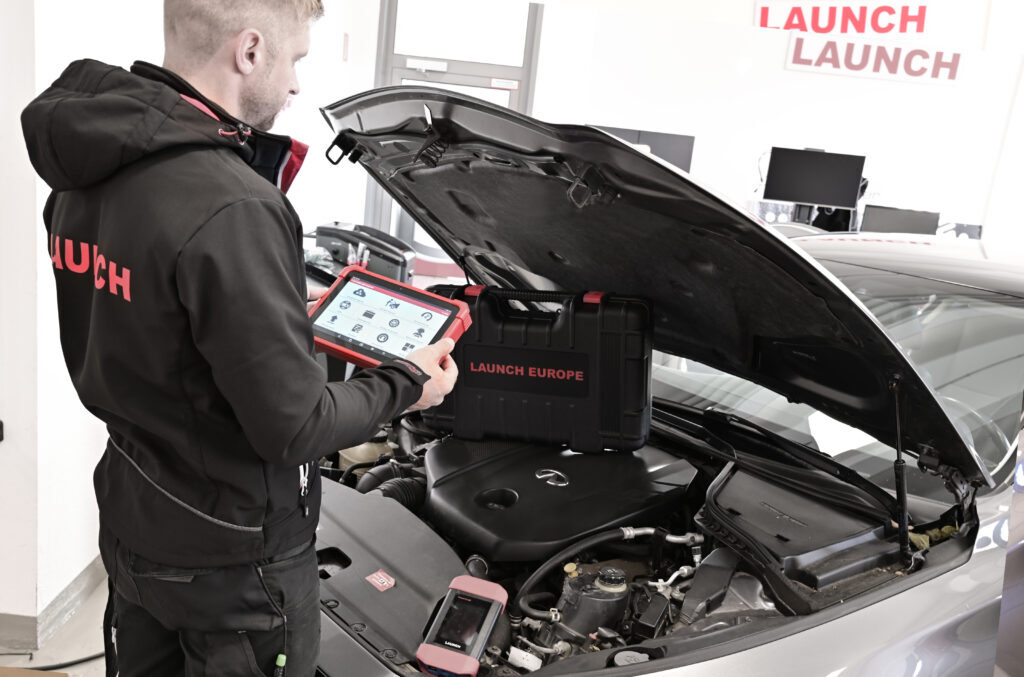
What Is SERMI, And Why It Matters for Independent Garages in the UK
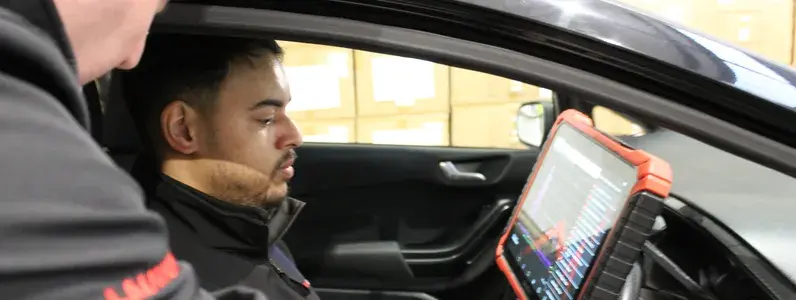
Your Workshop Needs a Security Gateway Multipack