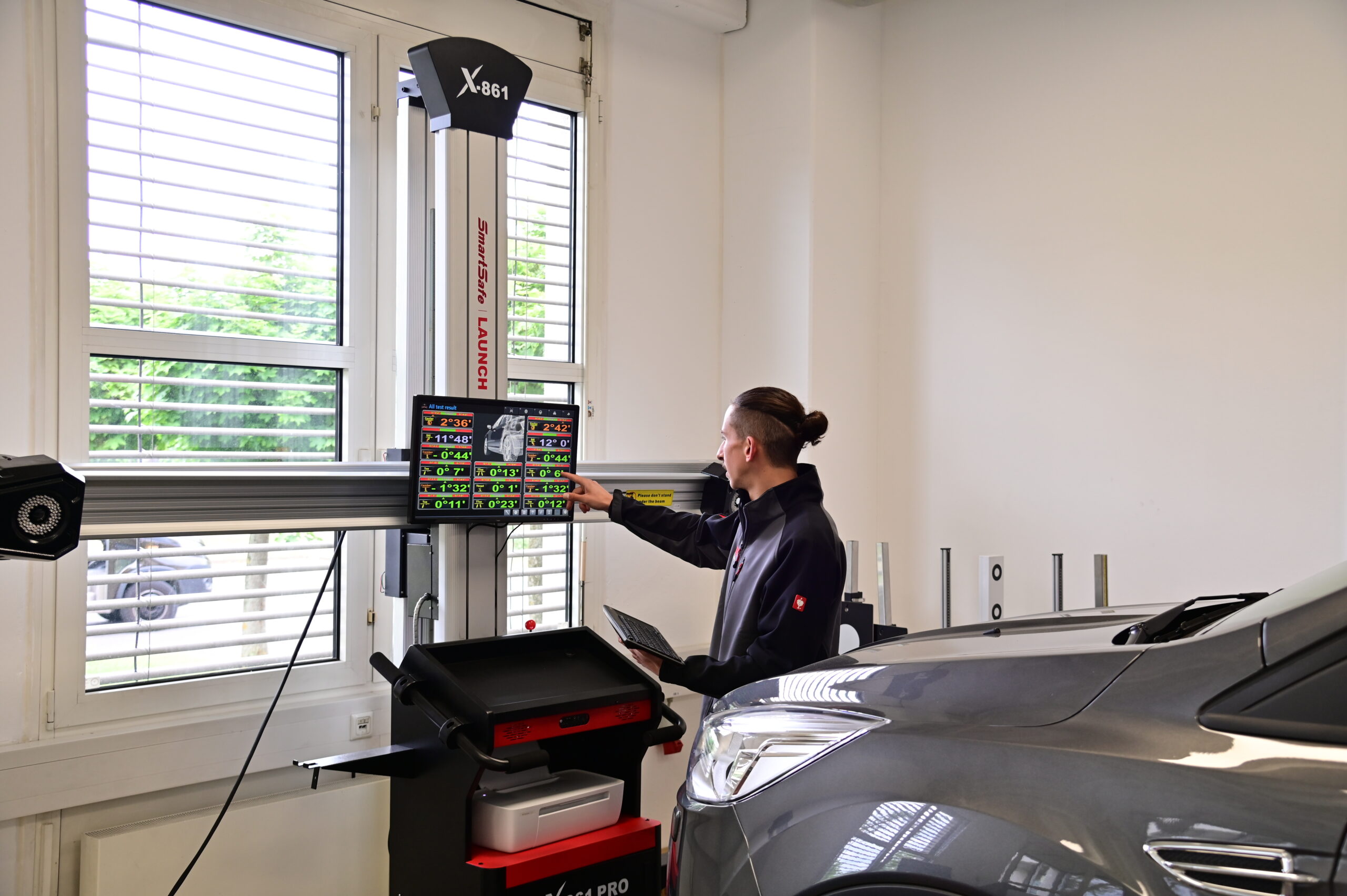
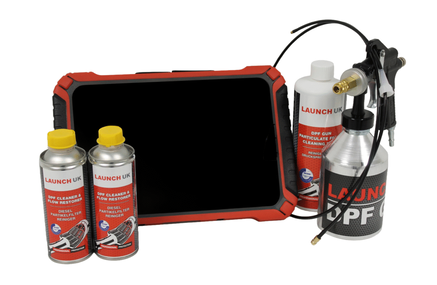
Advanced Driver Assistance Systems (ADAS) are no longer a luxury feature found only on premium models. Systems such as lane keep assist, adaptive cruise control, autonomous emergency braking, blind spot monitoring and traffic sign recognition are now standard across much of the modern UK vehicles. These technologies greatly improve safety and driver confidence, but they also bring a growing challenge for independent workshops. ADAS faults are increasing rapidly, and they are becoming a routine part of daily diagnostics.
Why ADAS faults are becoming more common
1. More systems and more sensors
Modern vehicles rely on a network of cameras, radar units, ultrasonic sensors and ECUs. Each component must operate in perfect alignment. Even a small misalignment, communication error or software mismatch can cause an ADAS fault, warning lights or reduced system performance. As vehicles become more technologically advanced, the potential for ADAS faults naturally increases.
2. Everyday workshop jobs now affect ADAS
Routine tasks such as windscreen replacement, wheel alignment, suspension repairs, bodywork and even tyre changes can trigger an ADAS fault. A radar hidden behind a bumper or a camera mounted behind a windscreen may require calibration after work that previously had no electronic impact. If calibration is not carried out correctly, an ADAS fault is almost unavoidable.
3. Software updates and rising vehicle complexity
ADAS systems rely heavily on software. Manufacturers frequently release updates to refine behaviour, improve safety thresholds or fix known issues. Vehicles with outdated software often present ADAS faults that appear to be hardware-related but are rooted in outdated software. Without access to advanced diagnostics and OE-level functions, these faults become extremely difficult to pinpoint.
4. Environmental and usage factors
Dirty windscreens, weather conditions and minor knocks that leave no visible damage can all result in an ADAS fault warning. As drivers become more dependent on these systems, even small disruptions are quickly noticed and reported, adding to the growing number of ADAS faults entering UK workshops.
The risk of falling behind
ADAS faults are not just another dashboard light. Incorrect repairs, missed calibrations, or incomplete diagnostics carry serious safety implications. There are also insurance and legal considerations for workshops. A wrongly diagnosed fault can easily lead to comebacks, liability risks and reputational damage. For some independents, the fear of misdiagnosing an ADAS fault has led to turning work away unnecessarily.

How workshops can keep up
1. Invest in professional diagnostic equipment
Basic code readers are no longer sufficient. Workshops need diagnostic tools that can access ADAS systems, read manufacturer-specific fault codes, carry out calibrations and guide technicians through the required procedures. The right tool helps identify faults accurately and gives technicians confidence in their repairs.
2. Understand calibration requirements
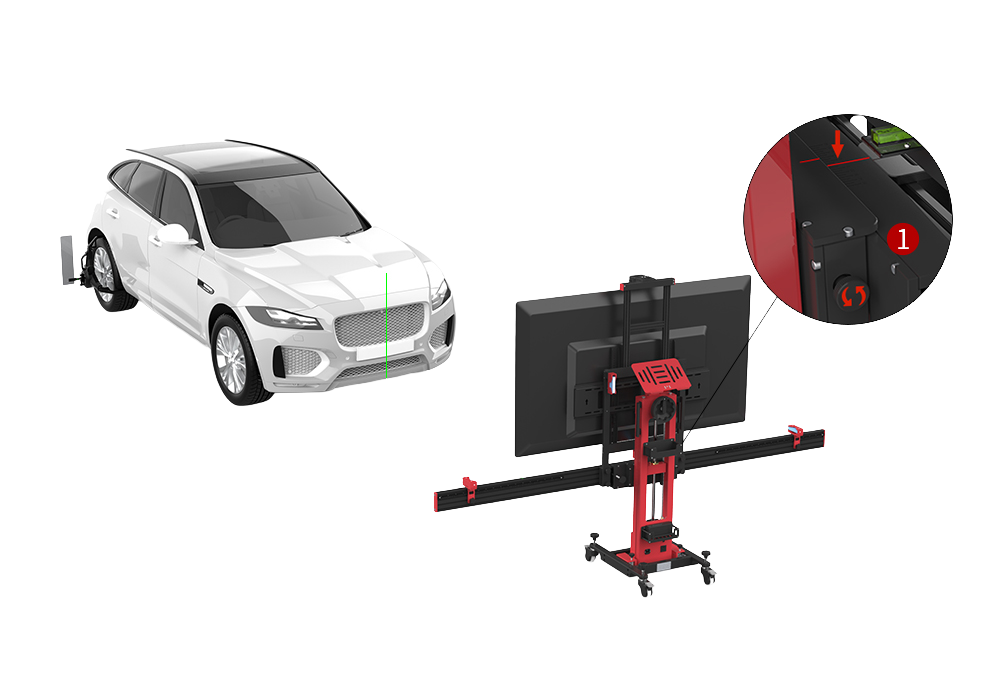
Manufacturers have different requirements for static and dynamic calibration. Knowing when calibration is required and how to verify a successful result is essential. Modern diagnostic platforms can guide technicians step by step, reducing the risk of repeat ADAS faults.
3. Stay up to date with training and software
ADAS technology evolves quickly. Ongoing training and up-to-date diagnostic software are essential for staying competitive. Keeping systems current ensures full coverage of the latest vehicles and helps prevent avoidable faults caused by outdated information.
4. Educate customers
Many drivers are unaware that common repairs can affect safety systems. Explaining why calibration is necessary and how it prevents future ADAS faults helps build trust. Transparency can turn ADAS work into a valued part of your service offering.
Turning ADAS challenges into opportunities
At LAUNCH UK & IRELAND, we see this shift every day in the questions workshops ask and the ADAS fault issues they are struggling to diagnose.
ADAS is not going anywhere. In fact, reliance on these systems is increasing. Workshops that embrace ADAS diagnostics now will be best prepared for the future of vehicle repair. With the right equipment, training and support, faults become less of a challenge and more of an opportunity to offer a profitable, high-value service.
At LAUNCH UK & IRELAND, we support workshops with advanced diagnostic solutions, ADAS calibration equipment, training and ongoing technical assistance to help you stay ready for the increasingly complex vehicles arriving at your door.
Want to learn more about handling ADAS faults in a workshop environment?
If your workshop is seeing more ADAS faults and would like to understand the tools, training and support available, you can contact LAUNCH UK & IRELAND at sales@launchtech.co.uk or call 01752 968343 for further information.